Variable Control
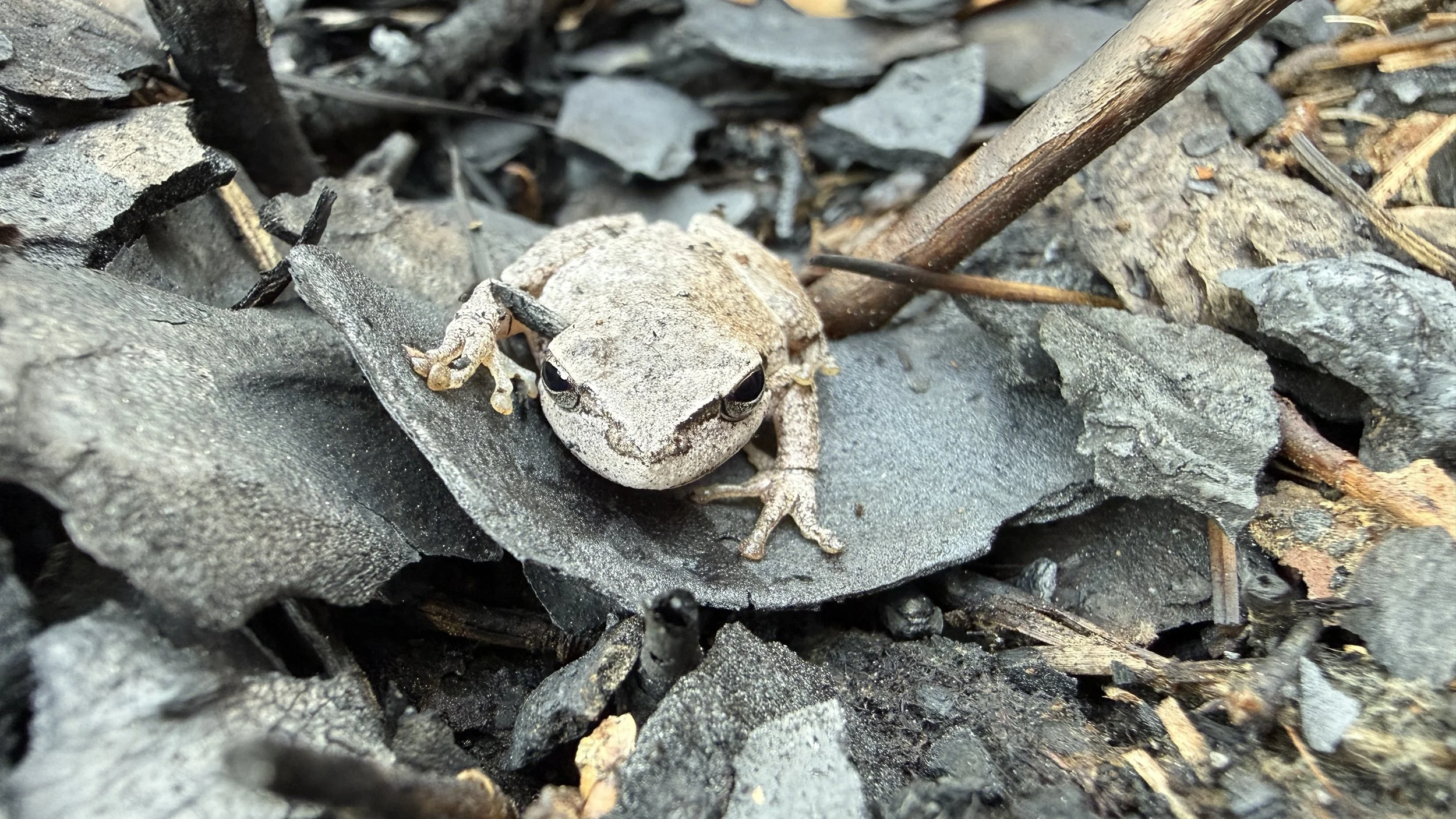
Variable Control is a project that explores ideas about visual systems in frogs, the role of variables in shaping art and science, and approaches to the material ecology of scientific experiment design.
The Research
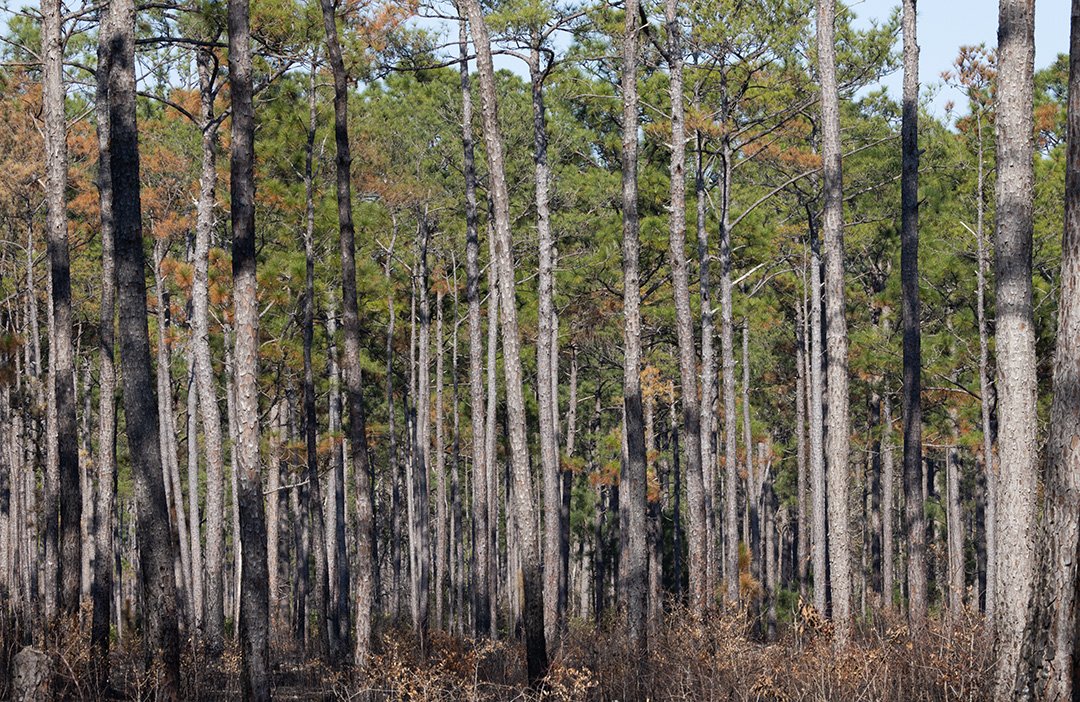
The project is an outgrowth of an interdisciplinary collaboration between Daniel S. DeLuca (Department of Visual Art and Interdisciplinary Studies, CCU) and herpetologist Dr. Matthew Grisnik (Department of Biology, CCU). Dr. Grisnik's research investigates how fire management shapes tree frog diversity in the ephemeral wetlands of longleaf pine ecosystems.
Once widespread across the southeastern United States, longleaf pine forests have been reduced to approximately 5 percent of their historic range. By comparing wetlands in fire-maintained and fire-suppressed areas, his study examines whether fire influences which frog species are present, as well as the diversity and composition of their communities. Frogs are monitored using automated acoustic recorders and PVC pipe refugia (shelters for frogs).

The Art
Central to the artistic investigation is an engagement with the materials and methods of field research. The installation focuses on the use of PVC “refugia,” temporary shelters that attract tree frogs and allow researchers to collect data. DeLuca draws on the material vocabulary of the experiment, alongside the environmental conditions associated with fire management, to develop a parallel artistic investigation. In doing so, the work raises questions about the limits of vision and the overlapping and sometimes divergent methods through which art and science observe, interpret, and produce knowledge.
Artificial Refuge
Treefrogs are hard to count. They climb out of traps, hide during the day, and match whatever they sit on.
Since 1955, researchers have offered them something to hide in (a can, a pipe, a tube) and counted who moved in. Each object here references the methods scientists have used to collect frogs. Evaluating the previous studies was the basis for determining how to extend the research on sampling tools. Left to right, they span seventy years:
1 ) TIN CAN ON A STAKE: Goin, 1955 Olive
Goin set tin cans upside down on stakes in her Gainesville backyard to watch squirrel treefrogs and green treefrogs. The cans were what she had on hand.
2 ) BLACK ABS PIPE: Lohoefner & Wolfe 1984; Johnson 2005
Black was thought to resemble an earthen burrow, hold heat, and hide the frog from predators. It outperformed white in the study that introduced it.
3 ) WHITE PVC PIPE: Buchanan 1988; Glorioso & Waddle 2014
The field standard, named in the 2014 best-practice review: Schedule 40, white. Chosen for cost and availability. No one ever claimed a frog would prefer it.
4 ) BLUE PVC PIPE: Cohen et al. 2016 The first shelter designed from the frog's vision instead of the researcher's convenience. Cope's Gray Treefrogs chose blue about twice as often as white, raising field capture rates by 173 percent.
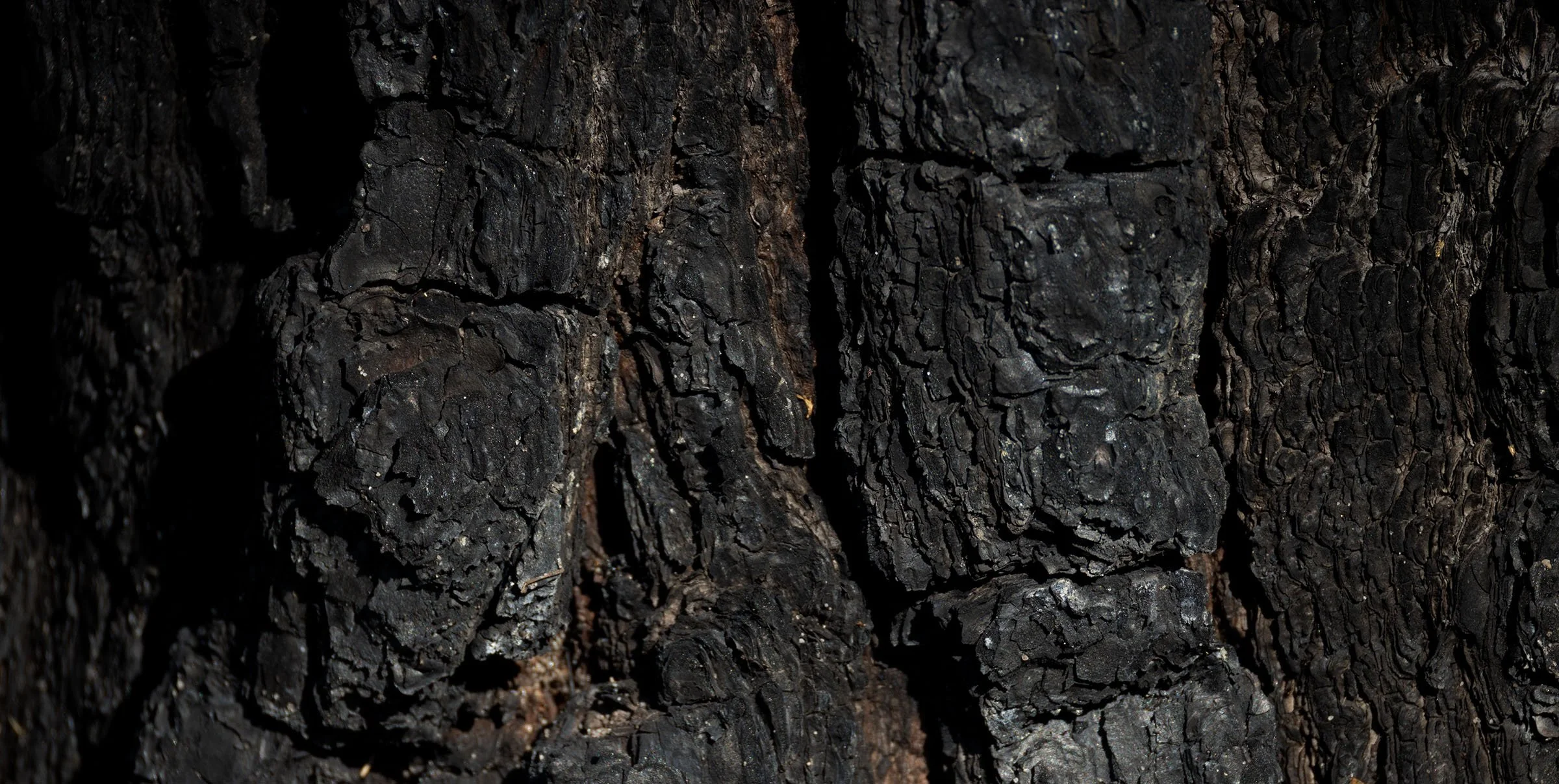
5 ) LEAF LITTER TUBE: Grisnik, 2026–ongoing- Surfaced with litter from the wetlands where these frogs live: charred pine bark and needles from a fire-maintained longleaf stand. In Gisnik’s study, captured frogs will be measured, weighed, identified by sex when possible, and tagged using passive integrated transponder (PIT) tags. Data analysis compares hylid (tree frog) beta diversity, which describes differences in species composition among sites, and broader community structure across fire-maintained and fire-suppressed wetlands.
Confounding Variables
Previous research demonstrated frogs’ preference for blue refugia, but no consideration was given to variations in the value or hue of the blue. Based on a creative misreading of how frogs perceive brightness, a consideration for testing variations of blue emerged. The panel includes five values, one white and four blues, and each tube features a distinct finish: matte, satin, semi-gloss, glossy, or ultra-glossy. In this arrangement, however, color and sheen are confounded. Because both change from pipe to pipe, their individual effects cannot be isolated. The panel makes visible a fundamental problem of experimental design: as variables are added and controlled, the scale and complexity required to distinguish their effects multiply.
For example, separating color from sheen would require testing five color values across all five levels of surface sheen: white × five finishes, blue one × five finishes, and so forth. This produces 25 distinct experimental conditions. With 25 pipes used to replicate each condition, a fully crossed experiment would require 625 pipes (5 colors × 5 sheens × 25 replicates), before accounting for additional variables such as habitat, site, season, or environmental conditions.
The resulting complexity and impracticality point to a constraint shared by experimental research: not every potentially meaningful variable can be isolated and tested simultaneously. Scientific experiments therefore depend on decisions about which variables to control, which to test, and which to leave outside the scope of a particular study. The panel takes this necessary process of selection as a point of departure, shifting these variables from the controlled terms of scientific experimentation into the more subjective and interpretive terms of artistic inquiry.
Ocularcentrism
When a frog sees a refuge:
Tree frogs tend to seek shelter just before and around sunrise. They also have color vision at night, which we lack entirely. That vision is narrower than ours in daylight, and from yellow through red they register brightness but not color.
A human sees through a process remarkably similar to a frog. The same light enters the eye and is converted into signals that the brain uses to construct an image. But small differences in the visual machinery, particularly the types and sensitivities of photoreceptors, can produce significant differences in how the same scene is perceived. More subtle differences in visual and neural processing also exist from one human to another, making perception itself inherently subjective.
The processes of seeing:
Photons (particles of light) from the Sun pass through Earth’s atmosphere as part of the electromagnetic spectrum, a continuum running from gamma rays smaller than an atom to radio waves kilometers in length. We see a fraction of the spectrum. Light reflects off surrounding surfaces and enters an eye through the cornea and pupil.
The cornea and lens focus the light onto the retina, where it is absorbed by photoreceptors—126 million rods and cones in a human eye versus roughly 1 million in a frog. When a photon strikes a retinal molecule, its energy changes the molecule’s configuration around a double bond between carbon atoms. This converts the retinal into a different form, activating an opsin protein and beginning a biochemical cascade. Light is transformed into an electrical signal that travels through the optic nerve to the brain.
Even using a conservative estimate of 1 billion photon-triggered molecular events per second, over 60 billion such events occur across the retina during a single minute of vision. Each begins at the molecular scale, with a change around a carbon-carbon double bond in the retinal.
Delicate Flowers
Together, these pieces show the materials and iterations for possible sampling refugia. Reclaimed longleaf pine was used from the Conway Architectural Salvage and Heritage Project that ties the work materially and historically to the same regional landscape inhabited by the frogs. Each prototype considers design constraints and priorities, moisture and heat retention, frog-safe materials, and precise dimensions such as wall thickness and access hole diameter and depth. The complexity of meeting the design criteria for a functional sampling tool was a bit unexpected given how simple the PVC tubes appear at first glance.
1) Hand-tiled longleaf pine bark from a fire-activated area.
2) Reclaimed tobacco barn wood, considered but unsuitable due to possible chemical residues.
3) Rough cut longleaf pine as a raw material reference.
4) Initial prototype showing wall thickness challenges
5) Functional wooden refugia prototype, viable materially but too labor intensive to produce at scale for the project.
Support the Art Inspired by Science:
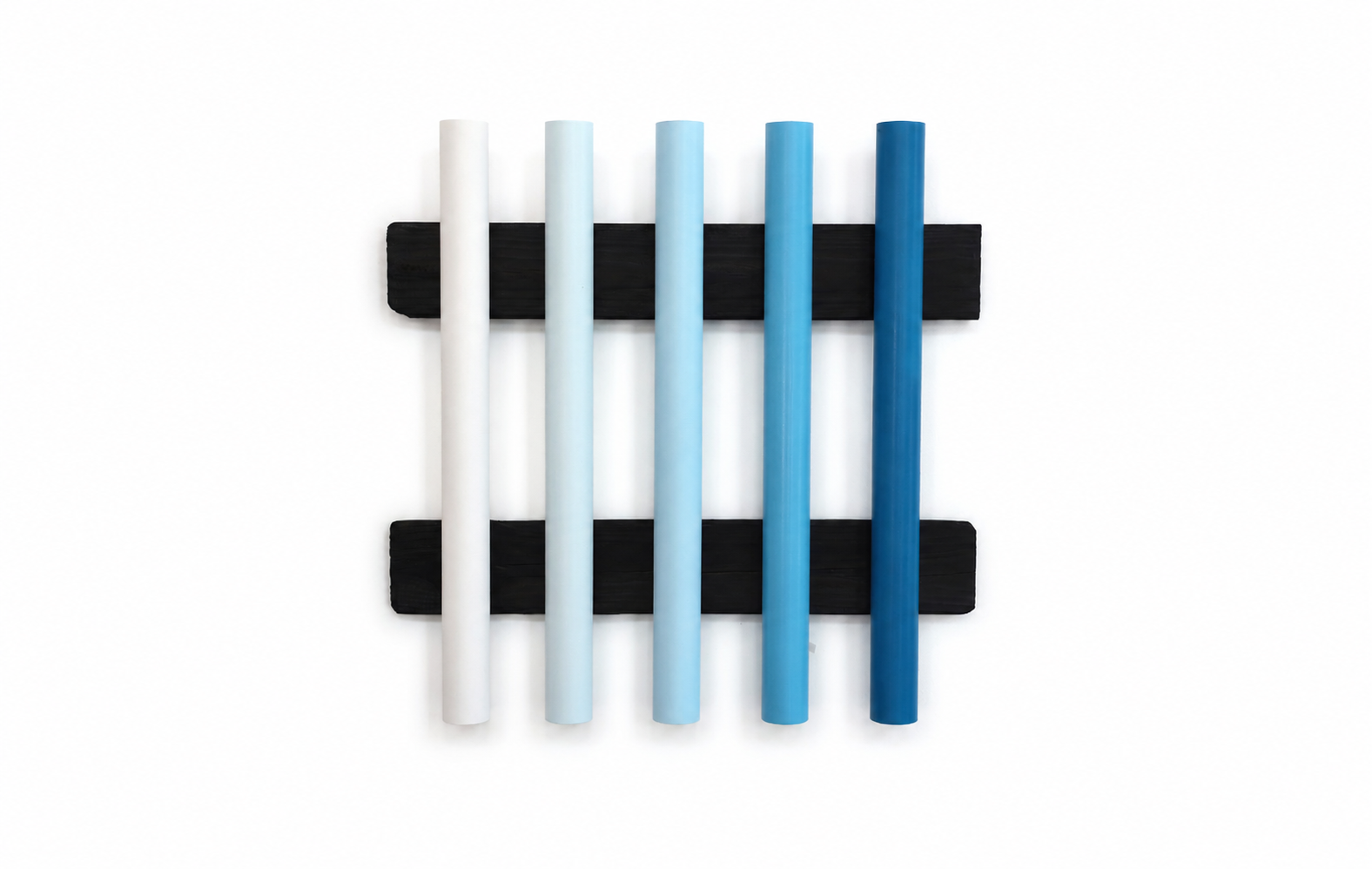
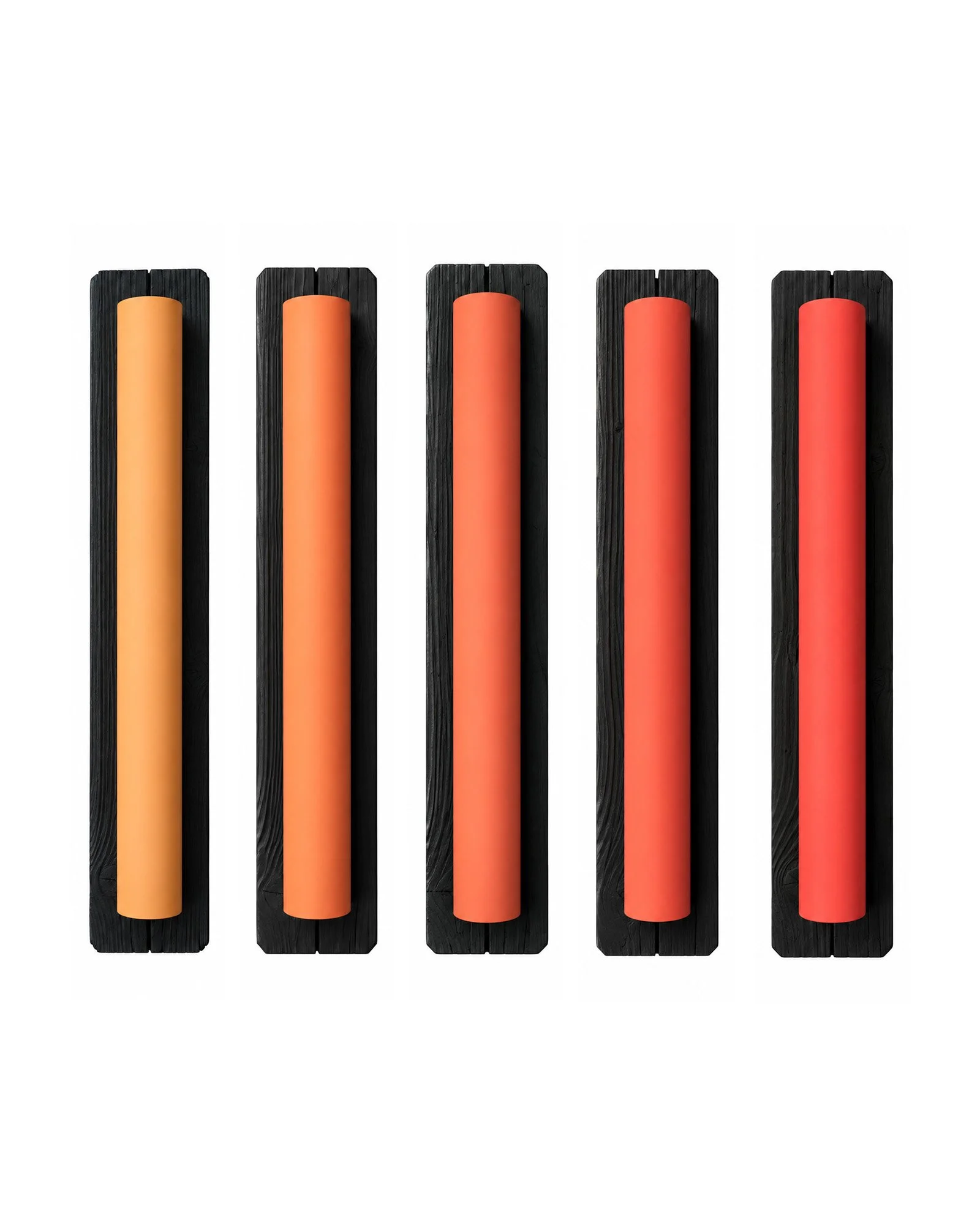
Series of 5 refuges from Variable Control, an art-science project exploring tree frog refuge design, perception, and ecological research. Part of the proceeds goes to support tree frog conservations efforts.
(24” x24” x3”)
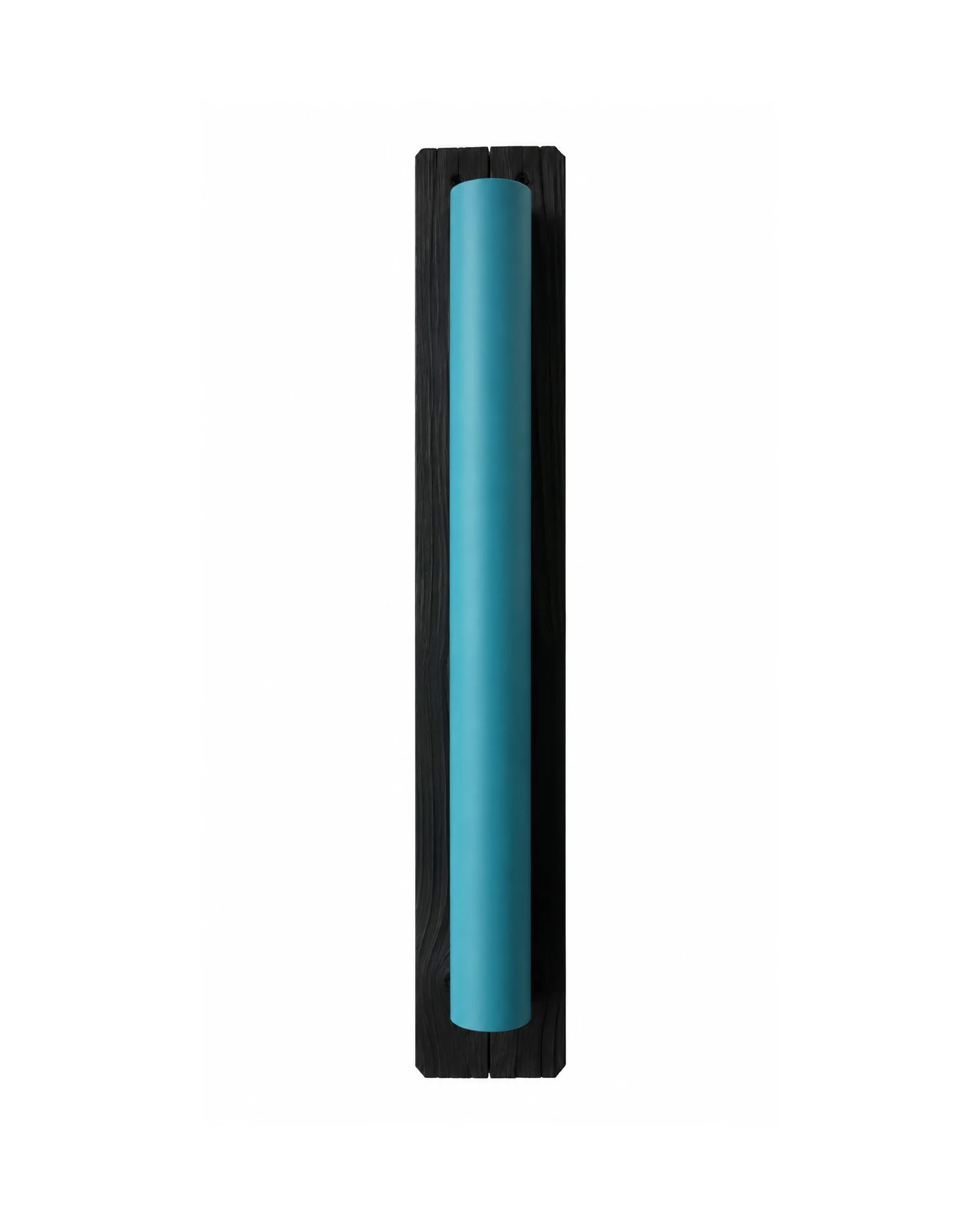
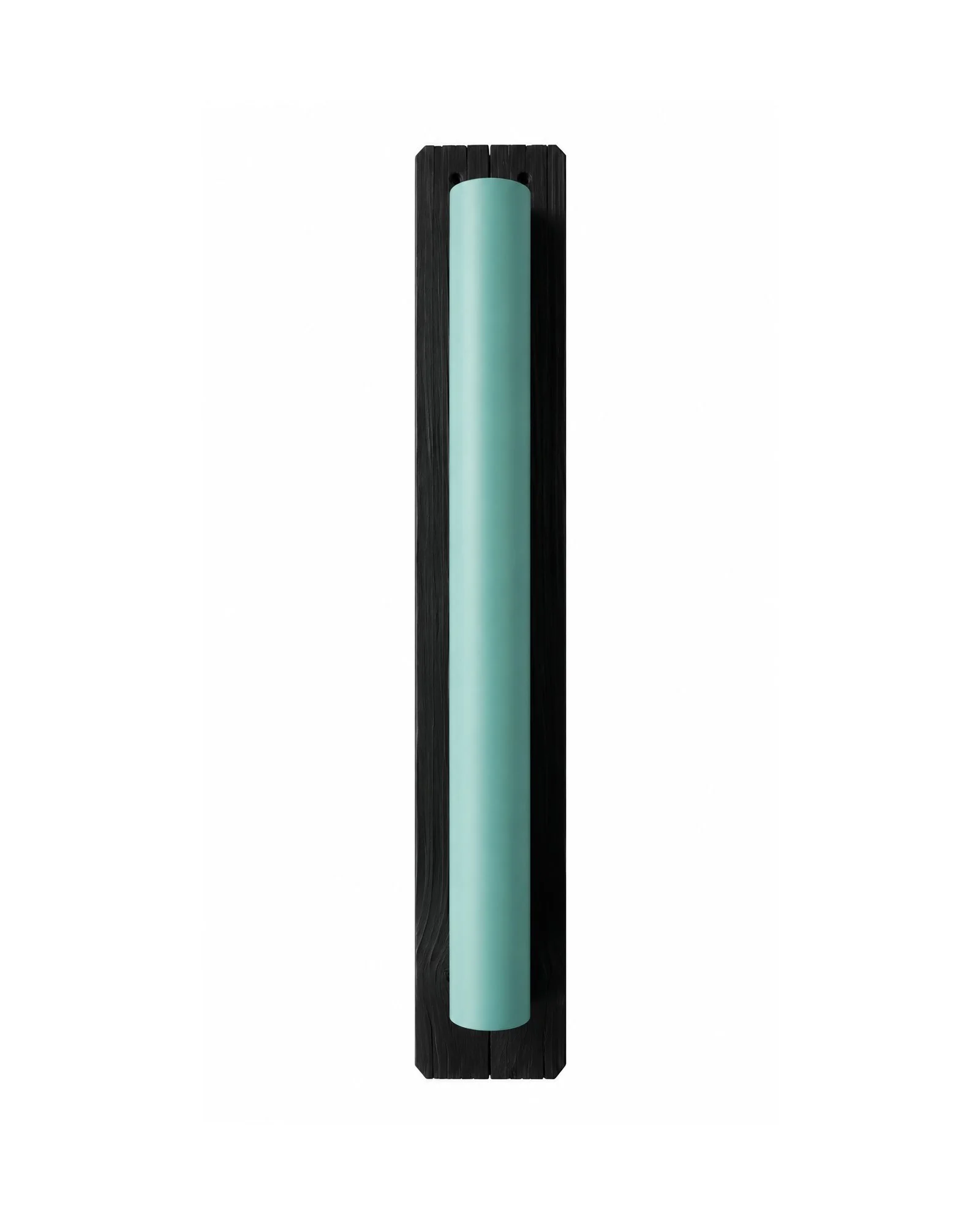
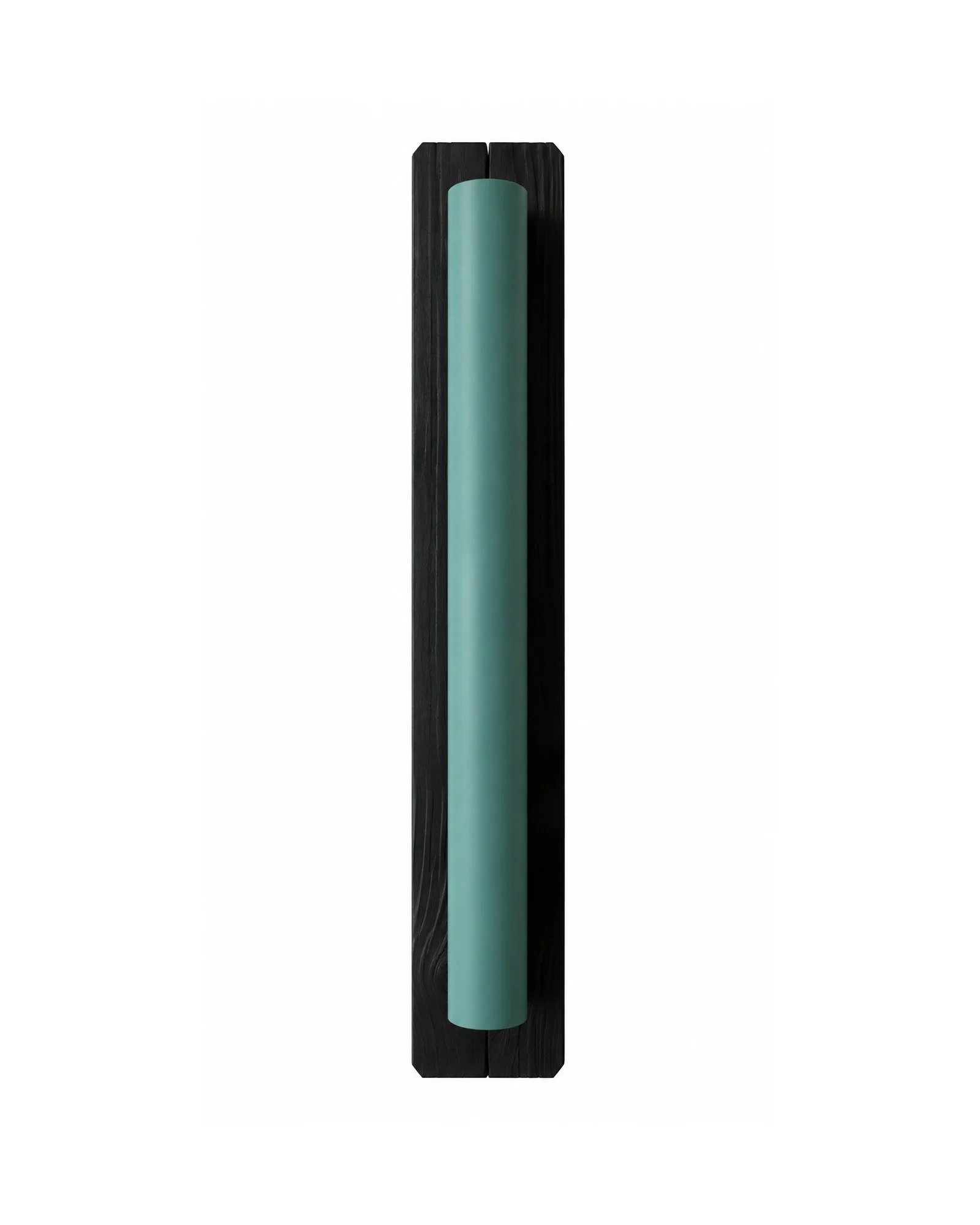
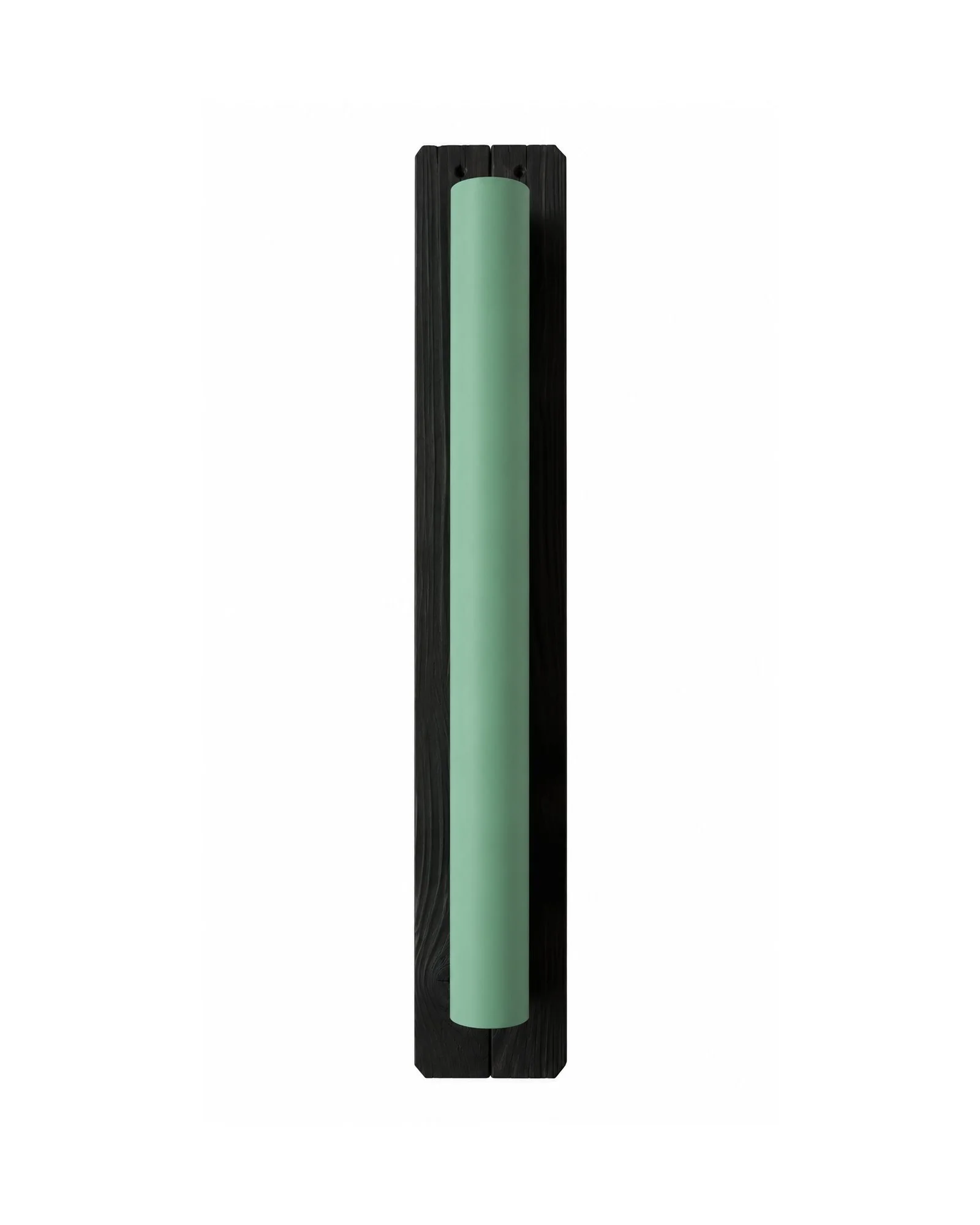
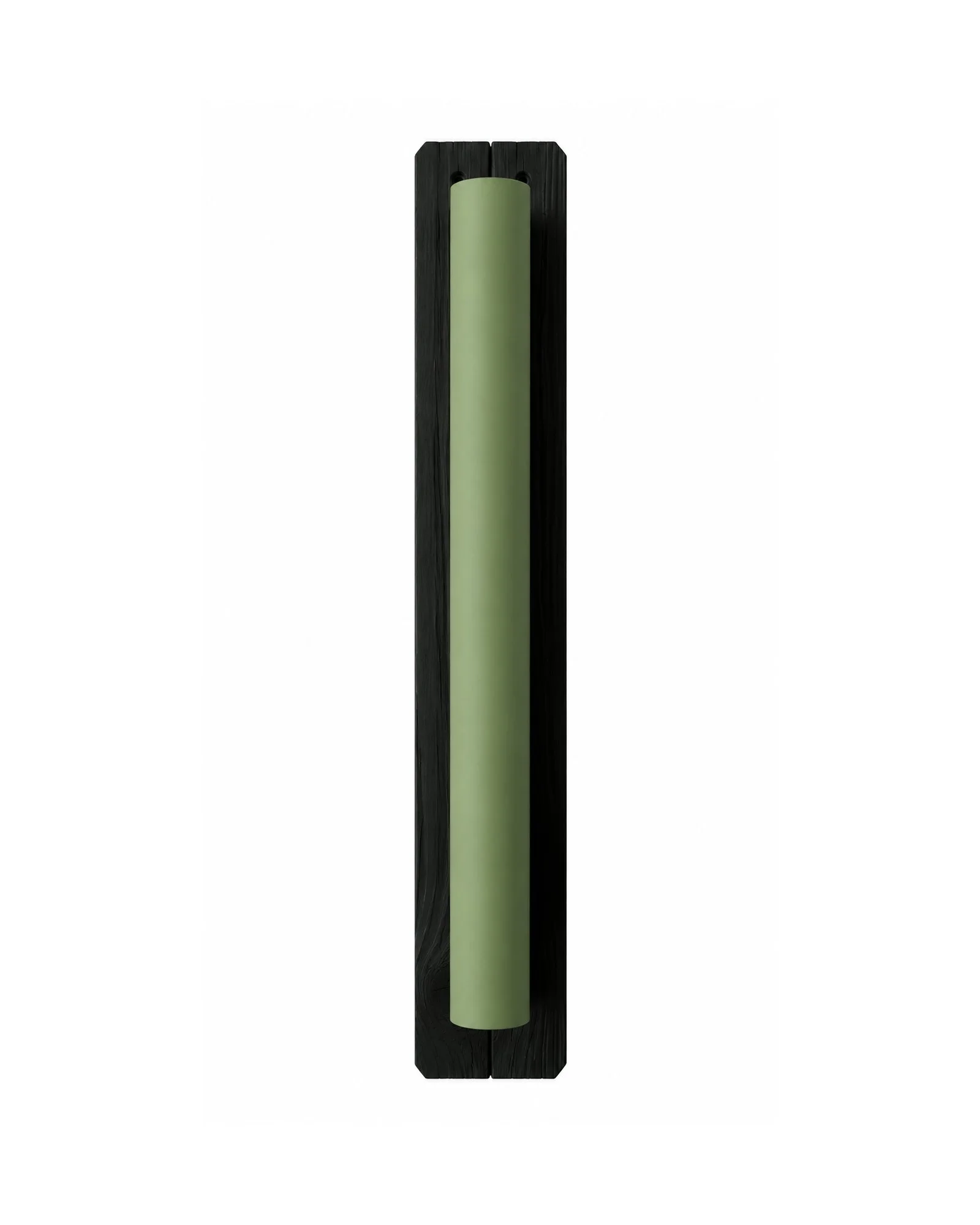
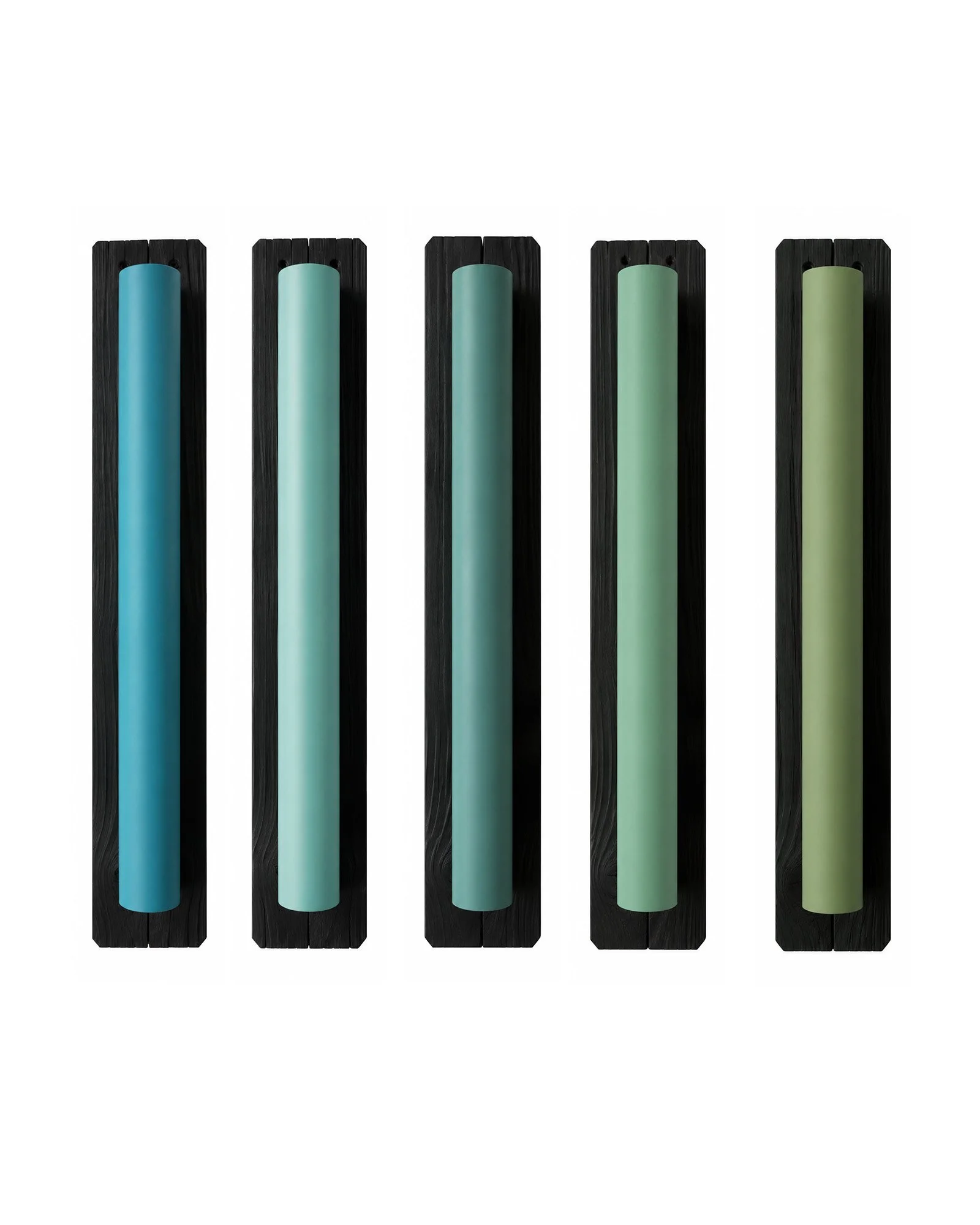
A single study from Variable Control, an art-science project exploring tree frog refuge design, perception, and ecological research.
24” x 4” x 3”
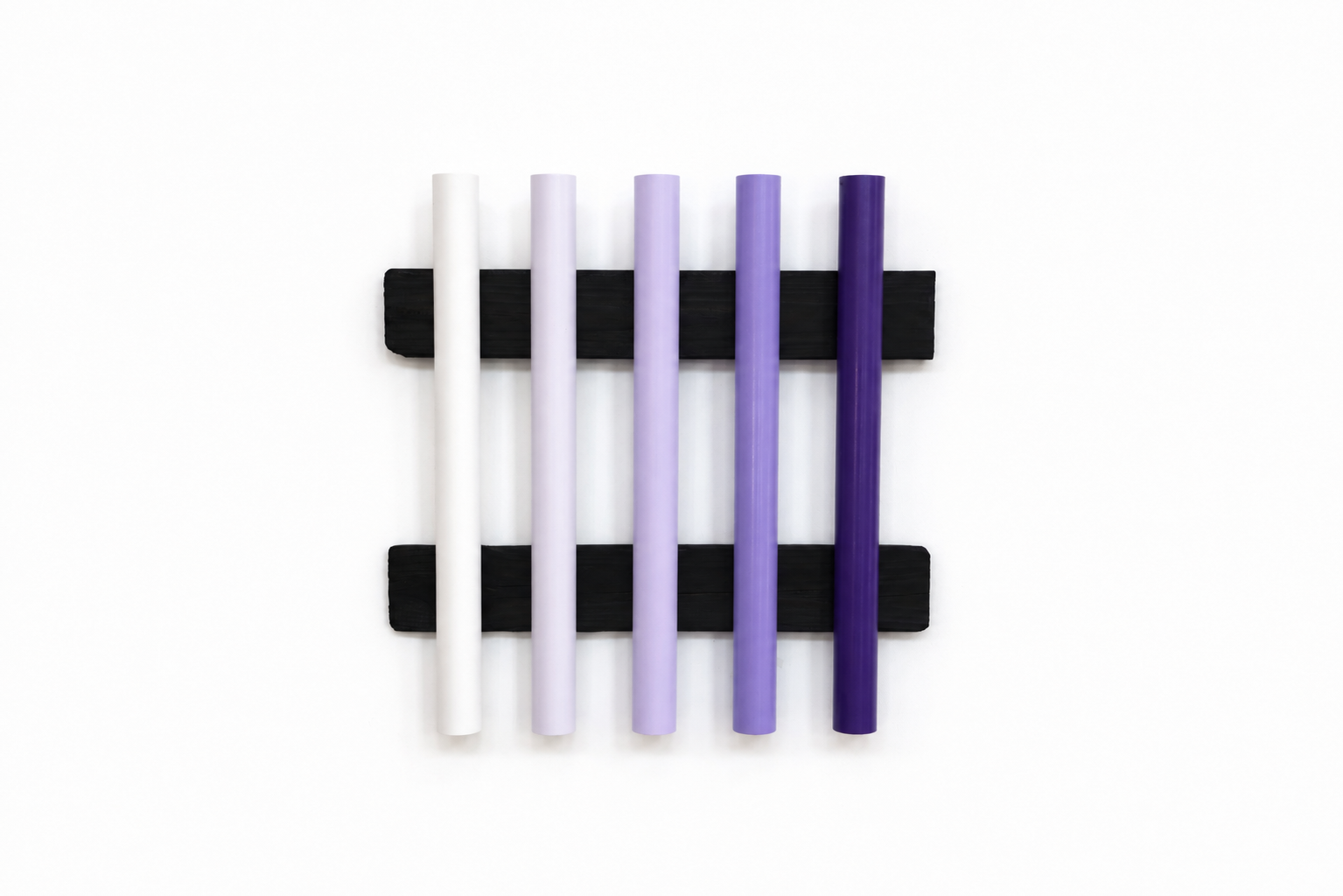
Series of 5 refuges from Variable Control, an art-science project exploring tree frog refuge design, perception, and ecological research. Part of the proceeds
goes to support tree frog conservations efforts.
(24” x24” x3”)
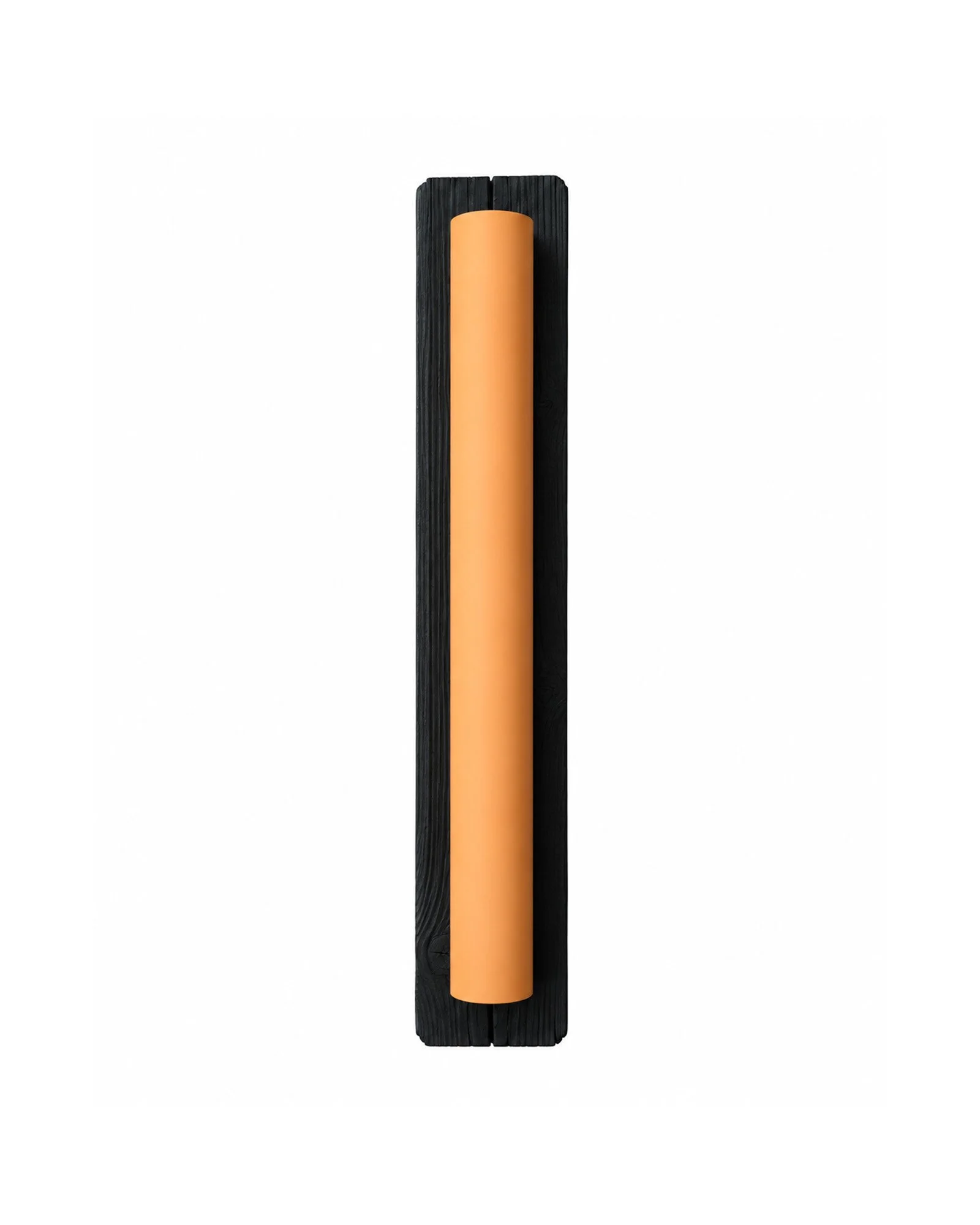
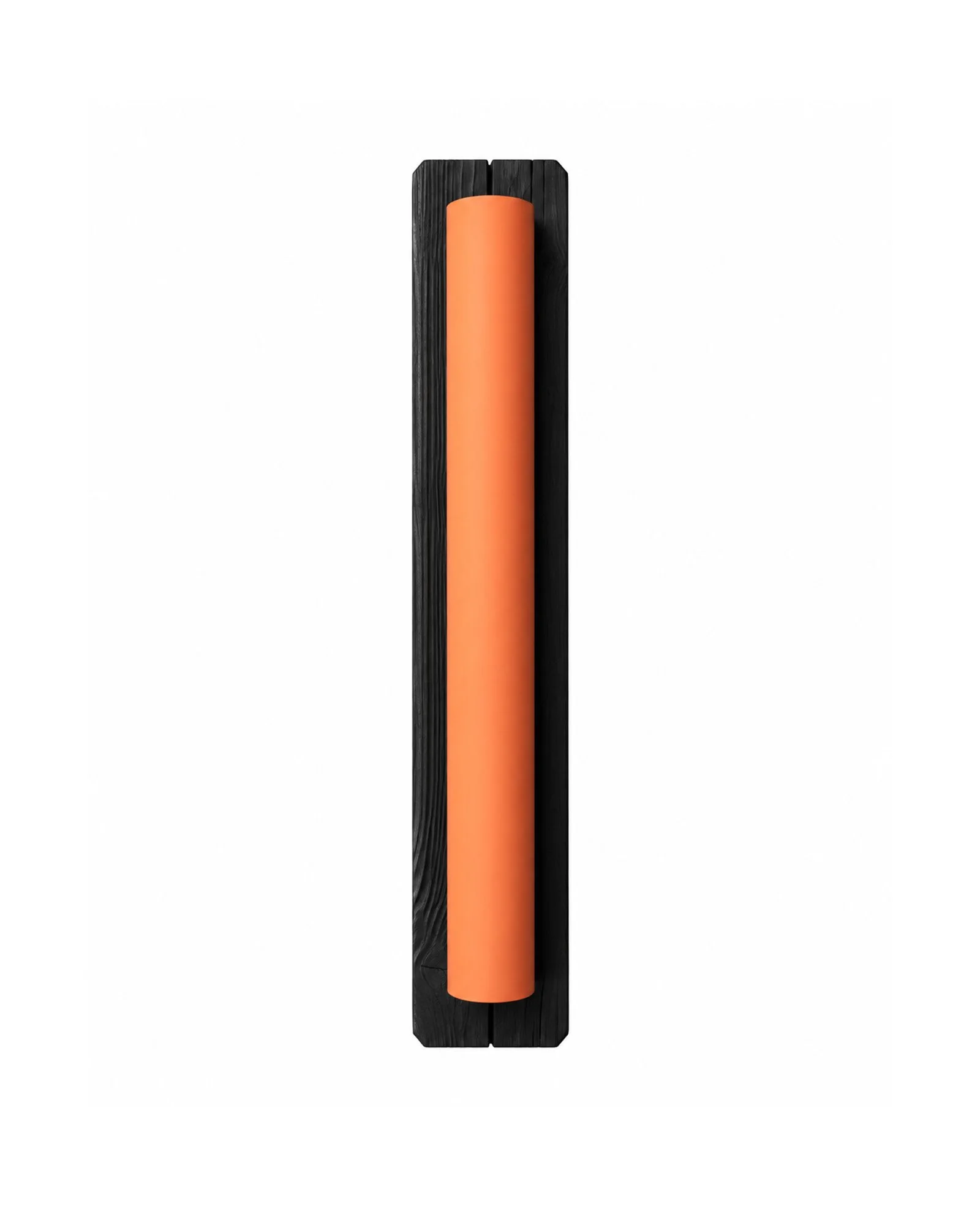
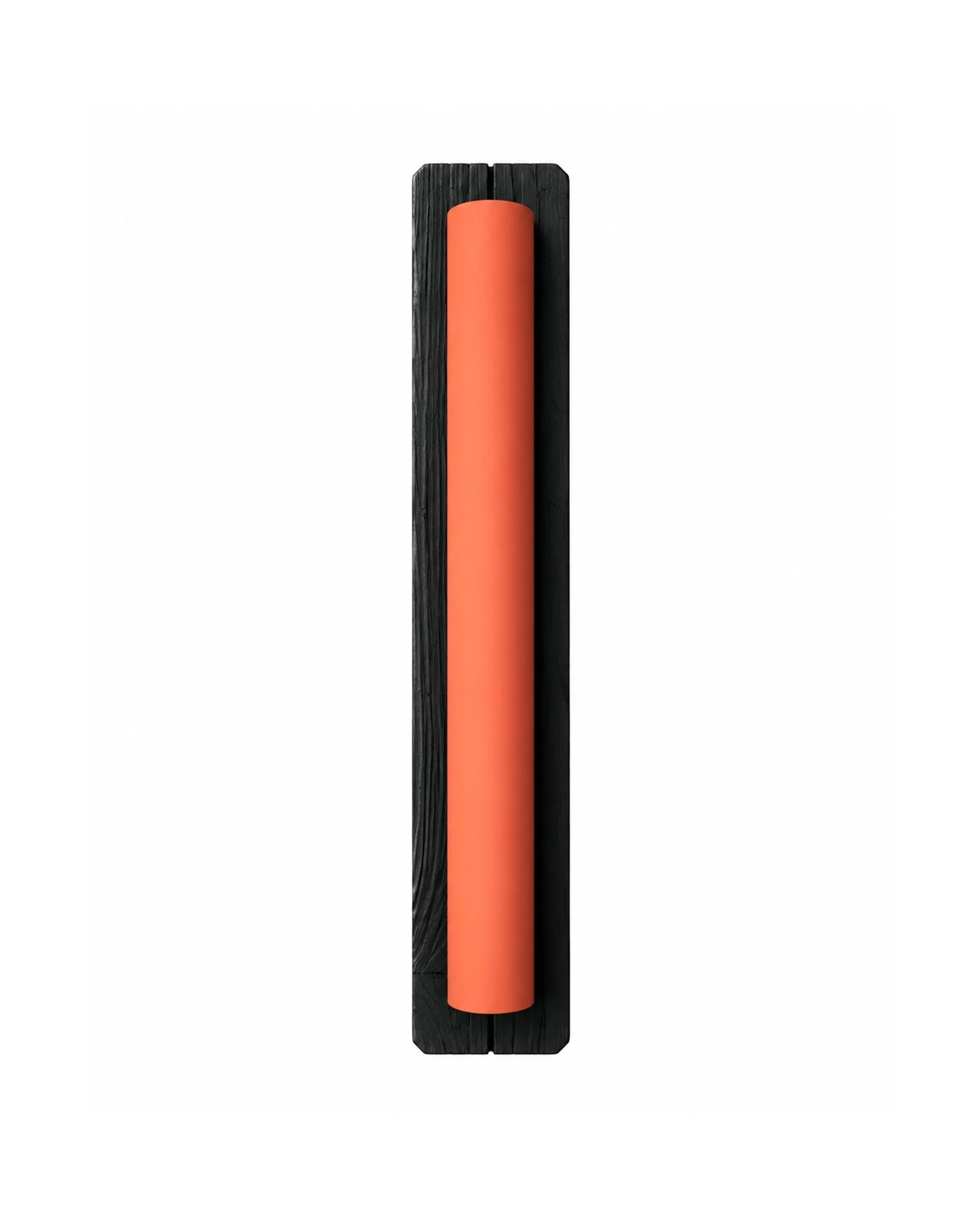
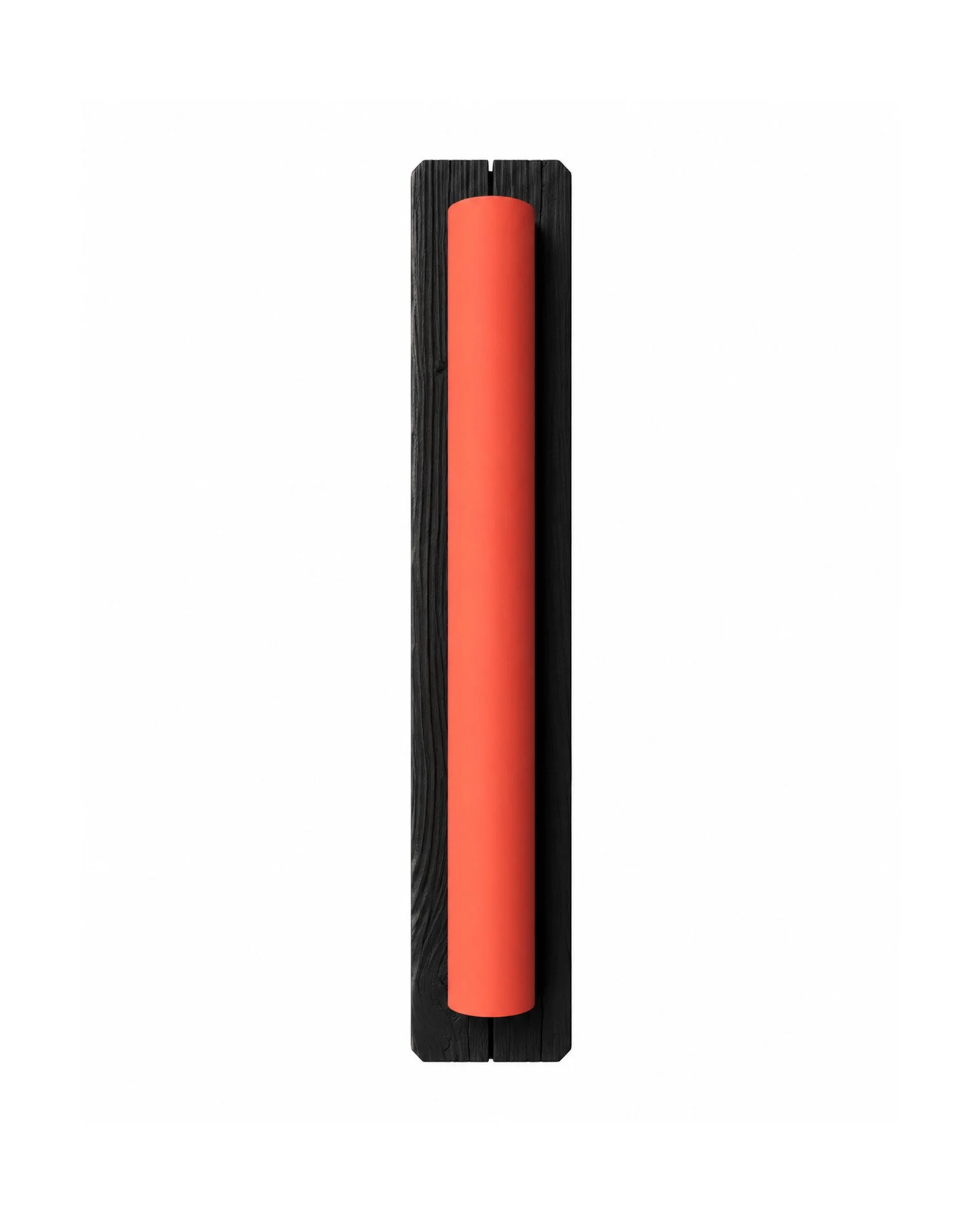
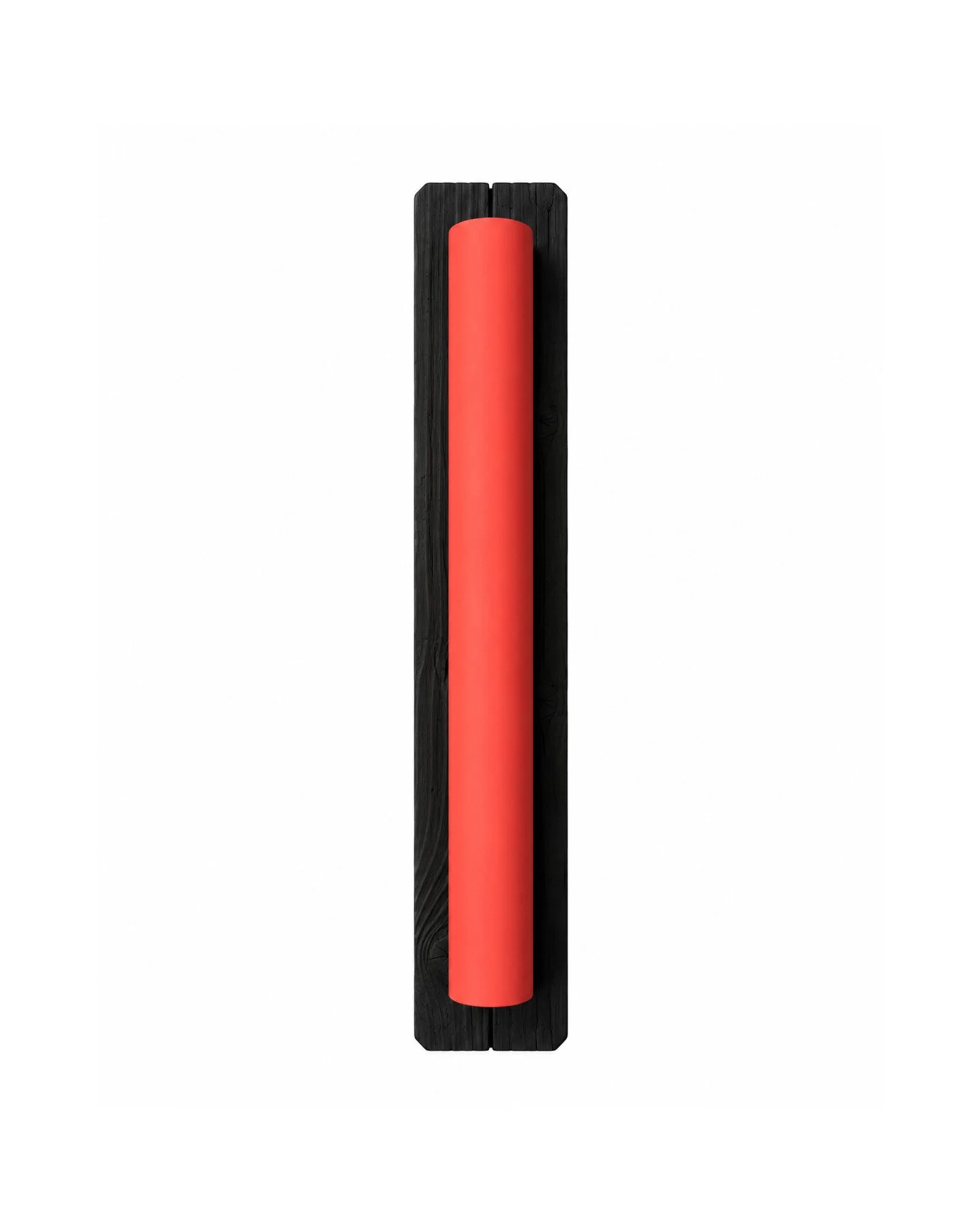
A single refuge from Variable Control, an art-science project exploring tree frog refuge design, perception, and ecological research.
24” x 4” x 3”